

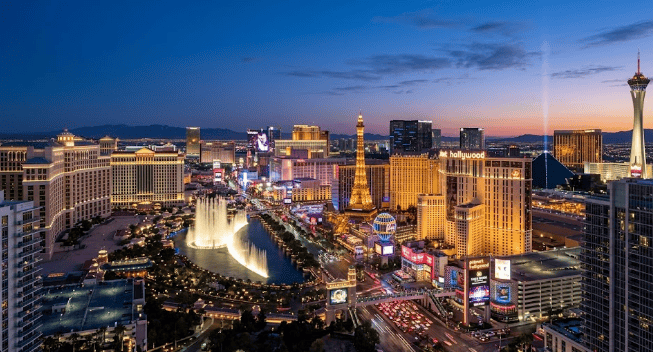
Las Vegas reinvents itself faster than almost any city on earth. Hotels get imploded and rebuilt, entire entertainment districts appear where parking lots used to be, and the skyline genuinely looks different every time you return. That constant churn is exactly why a current guide matters more here than almost anywhere else — advice from even two years ago can send you to a restaurant that’s already closed or miss an attraction that didn’t exist yet.
This guide covers Las Vegas as it actually stands in 2026 — what’s new, what’s worth your time, and how to plan a trip that doesn’t just default to whatever’s directly in front of you on the Strip. If you’re combining Las Vegas with national parks in the region, our Zion National Park guide and Grand Canyon National Park guide both cover destinations within a few hours’ drive.
Table of Contents
What’s New in Las Vegas for 2026
Las Vegas in 2026 is leaning hard into experiences beyond the casino floor, and a handful of openings are genuinely worth building a trip around.
Sphere continues drawing visitors specifically for its shows and immersive movie experiences, projected onto what remains one of the most technically impressive venues built anywhere in the world in the last decade. If you haven’t been, it’s worth prioritizing over almost anything else on this list.
AREA15, the immersive art and entertainment district just off the Strip, keeps expanding, with the long-anticipated Museum of Ice Cream now part of the lineup alongside existing draws like Omega Mart and Universal Horror Unleashed. This has become one of the strongest non-Strip additions to a Las Vegas trip for visitors wanting something beyond casinos and shows.
The F1 Arcade at Caesars Palace capitalizes on Las Vegas’s growing relationship with Formula 1 racing, offering racing simulators in a social, bar-restaurant setting — a strong option for a couple of hours that doesn’t require a full racetrack visit.
Grand Prix Plaza has reopened with simulators reportedly similar to what professional drivers train on, plus F1-inspired go-karting, appealing directly to the city’s expanding motorsport tourism angle following Las Vegas’s establishment as a Formula 1 race weekend destination.
The Vanderpump Hotel, opening in the former Cromwell space, brings a boutique, celebrity-branded property to the Strip with a distinct aesthetic compared to the city’s larger mega-resorts — worth knowing about if you’re choosing where to stay and want something smaller-scale and design-focused.
Driverless taxis are increasingly part of the Las Vegas transportation landscape, with both Zoox and Waymo expanding service on and around the Strip. With paid parking now standard at most major resorts, this is becoming a genuinely practical alternative for getting around rather than just a novelty.
Getting to Las Vegas and Getting Around
Harry Reid International Airport sits remarkably close to the Strip — among the shortest airport-to-downtown distances of any major U.S. tourist destination, with many resorts reachable within 15-20 minutes by car or rideshare under normal traffic.
The Las Vegas Monorail runs along the eastern side of the Strip, connecting several major resorts and useful for avoiding Strip traffic during peak hours, though it doesn’t reach every property.
Rideshare and driverless taxis have become the default for most visitors moving between properties not directly connected by walkway, particularly given how spread out the Strip actually is once you’re walking it in person — distances that look short on a map regularly take 20-30 minutes on foot given pedestrian bridge routing and resort layouts.
Walking the Strip itself is entirely viable for shorter distances, and several resorts are connected via indoor walkways or the monorail, but treat any walk longer than two or three resort blocks as a 20+ minute commitment, especially in summer heat.
Renting a car makes sense primarily if you’re planning day trips beyond the city itself — to Red Rock Canyon, Hoover Dam, or further out to Zion National Park or the Grand Canyon — rather than for navigating the Strip itself, where parking costs and traffic make a car more hassle than benefit for in-city movement.
Where to Stay in Las Vegas
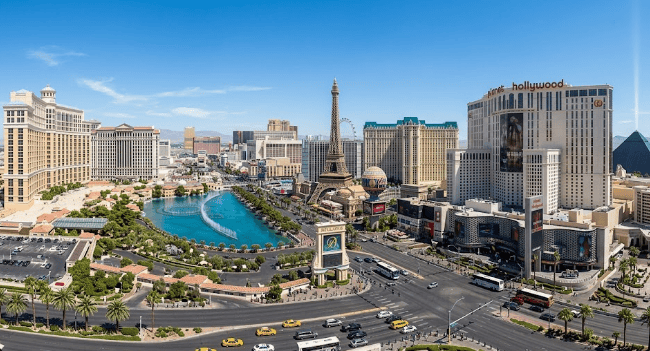
On the Strip puts you within walking distance of the largest concentration of shows, dining, and casino action, at the cost of higher rates and, increasingly, mandatory resort fees and paid parking that should factor into your real budget beyond the advertised room rate.
Downtown Las Vegas (Fremont Street) offers a distinctly different, more old-school casino atmosphere, generally at lower rates than comparable Strip properties, with its own dedicated entertainment in the form of the Fremont Street Experience light canopy show.
Off-Strip properties, including newer options like The Resort at Summerlin (the rebranded former Rampart casino and J.W. Marriott), offer a quieter, more residential Las Vegas experience with full resort amenities, generally appealing to visitors who want the city’s dining and luxury without the Strip’s constant crowds and noise.
Booking tip specific to this city: Las Vegas room rates fluctuate dramatically based on convention schedules, which aren’t always obvious from a simple date search. If your dates are flexible, checking a few alternate weeks can sometimes reveal dramatically lower rates outside major convention periods.
Top Things to Do in Las Vegas
On the Strip
The Bellagio Conservatory & Botanical Garden remains one of the best free attractions in the city, with displays changing five times a year and open 24/7 in the resort’s main lobby area — an easy, genuinely beautiful stop that costs nothing and takes only 15-20 minutes.
The Bellagio Fountains, performing on a schedule throughout the day and evening, remain one of the most recognizable free Las Vegas experiences, best viewed either from the sidewalk directly in front of the resort or from a higher vantage point at one of several rooftop bars across the street.
Grand Canal Shoppes at The Venetian offers indoor gondola rides through a recreated Venetian canal setting, combined with high-end shopping and dining — a strong option for escaping summer heat while still getting a distinctly Las Vegas experience.
Cirque du Soleil shows, particularly the long-running productions like O and Love, consistently rank among visitors’ top recommended experiences, and tickets for popular shows benefit from advance booking rather than assuming day-of availability, especially during peak weekends.
Beyond the Strip
The Neon Museum preserves decades of iconic, retired Las Vegas signage in an outdoor “boneyard” setting, with night tours specifically illuminating select vintage signs for a genuinely different atmosphere than a daytime visit.
Fremont Street Experience downtown combines a massive overhead LED canopy light show with a more concentrated, walkable casino district than the spread-out Strip, plus generally better odds and lower table minimums for visitors interested in casino gaming.
Red Rock Canyon, about 20-25 minutes from the Strip, offers a genuinely striking desert landscape with a scenic 13-mile loop drive and multiple hiking trail options, making it one of the most popular half-day escapes from the city’s density and noise.
Day Trips From Las Vegas
Hoover Dam, roughly 45 minutes from the Strip, combines genuine engineering history with dramatic Colorado River canyon scenery, offering both self-guided overlook visits and more in-depth guided tours into the dam’s interior.
Valley of Fire State Nevada, about an hour from Las Vegas, delivers dramatic red sandstone formations without the crowds of more famous Southwest parks — a strong, lesser-known option for visitors wanting striking desert scenery without a multi-hour drive.
Zion National Park and the Grand Canyon both sit within reasonable day-trip-plus or short-overnight range of Las Vegas, covered in detail in our dedicated guides linked above, and represent two of the most popular longer excursions for visitors extending a Las Vegas trip into broader Southwest exploration.
Food and Dining
Las Vegas’s dining scene has genuinely caught up to its reputation as an entertainment capital, with celebrity chef restaurants now standard across most major resorts rather than a novelty. Recent additions for 2026 include expanded Japanese dining concepts, new fast-casual options bringing East Coast and West Coast chains to the Strip for the first time, and continued growth in the casual food hall format at properties like UnCommons in the southwest part of the city.
A practical budgeting note: resort restaurant pricing runs notably higher than equivalent quality elsewhere in the country, a premium visitors should factor into food budgets rather than being caught off guard at checkout. Off-Strip and downtown options generally offer meaningfully better value without a significant quality drop for most cuisine types.
When to Visit Las Vegas
Spring (March-May) offers the most comfortable temperatures of the year alongside generally manageable crowds outside of major convention weeks, making it one of the two strongest windows for a Las Vegas trip.
Summer (June-August) brings genuinely extreme heat — regularly exceeding 100°F, sometimes well beyond — which doesn’t matter much if your trip is primarily indoor casino and show focused, but significantly limits comfortable time for outdoor attractions like Red Rock Canyon or the Strip’s outdoor walking sections during midday hours.
Fall (September-November) matches spring as the other strong seasonal window, with temperatures easing from summer extremes and a full calendar of entertainment and conventions resuming after the slower summer period.
Winter (December-February) offers the lowest average temperatures and occasionally surprising cold snaps for a desert city, but also some of the lowest hotel rates of the year outside the New Year’s Eve period specifically, which sees a dramatic price and crowd spike.
Sample Itinerary: 3 Days in Las Vegas
Day 1: Arrive, check into your Strip resort, explore your hotel’s immediate amenities, evening at the Bellagio Fountains and Conservatory, dinner on the Strip, and a Cirque du Soleil show if booked in advance.
Day 2: Daytime exploration of AREA15 or the Neon Museum, afternoon at Grand Canal Shoppes or another indoor attraction to escape heat if visiting in summer, evening downtown for the Fremont Street Experience and a different casino atmosphere than the Strip.
Day 3: Half-day trip to Red Rock Canyon or Hoover Dam, returning for a final Strip dinner and, if your schedule allows, a Sphere show as a strong closing experience before departure.
For visitors with more time, extending into a 4-5 day trip with an overnight add-on to Zion National Park (roughly 2.5-3 hours away) transforms the trip into a genuine Southwest combination itinerary.
Shows and Entertainment in Las Vegas
Las Vegas built its modern reputation on live entertainment, and the current lineup spans far beyond the classic magic-and-showgirls image most visitors carry in beforehand.
Long-running residencies from major recording artists remain a core draw, with venues like the Encore Theater at Wynn Las Vegas and Park MGM hosting rotating headline performers throughout the year — checking the specific lineup for your travel dates is worth doing well in advance, since availability for big-name residencies sells out fastest.
Cirque du Soleil’s permanent Las Vegas productions continue to anchor the city’s theatrical entertainment scene, with shows like O (at Bellagio) and Love (at The Mirage) consistently ranking among visitor favorites for their technical scale and production value, the kind of show genuinely difficult to replicate outside a purpose-built Las Vegas venue.
Comedy clubs have expanded meaningfully in recent years, with new venues like the Laugh Factory’s relocated home at Horseshoe Las Vegas adding to an already strong comedy scene that includes both touring headliners and resident performers.
Sphere’s immersive shows and films represent the newest category of Las Vegas entertainment entirely — not quite a concert, not quite a movie, but a format genuinely unique to this specific venue’s technical capabilities, and worth prioritizing for first-time visitors specifically because nothing else in the city (or arguably the world) offers a comparable experience.
Nightlife and Pool Culture
Las Vegas’s nightlife scene operates on two parallel tracks that visitors should understand going in: traditional nightclubs, concentrated heavily within major Strip resorts, and dayclub/pool party culture, which has become equally central to the city’s reputation, particularly during warmer months.
Dayclubs, essentially pool parties with DJ sets and bottle service built directly into a resort’s pool area, run primarily Thursday through Sunday during peak season (roughly April through September), drawing crowds that rival nighttime club attendance. Entry typically requires either a cover charge or hotel guest status at the specific resort, and reservations for prime cabana or daybed spots fill up well in advance for weekend dates.
Traditional nightclubs remain concentrated within the major Strip resorts, generally requiring cover charges that vary significantly based on the night, any headlining DJ, and whether you’re on a guest list versus walking up. Several resorts offer combined day-to-night packages that bundle dayclub and nightclub access, worth considering if nightlife is a primary trip focus rather than a secondary activity.
A practical note for visitors not primarily interested in nightlife: Las Vegas’s club and dayclub scene is loud, visible, and easy to avoid if it’s not your focus — the city accommodates both extremes comfortably, from full nightlife immersion to a quieter, show-and-dining-focused trip without much overlap forced between the two.
Budgeting for a Las Vegas Trip
Lodging varies enormously by property and season, but a realistic mid-range Strip hotel during a non-peak period typically runs $120-250 per night before resort fees, which commonly add $35-55 per night on top of the advertised room rate.
Parking, once free at nearly every Strip resort, is now paid at most major properties, typically running $15-25 per day for self-parking and more for valet — a cost worth factoring into any trip involving a rental car.
Shows range enormously, from free attractions like the Bellagio Fountains to $150-250+ per ticket for premium Cirque du Soleil seating or major headline residencies, with mid-range show options generally falling in the $75-150 range per ticket.
Food spans an equally wide range, with resort food courts and casual dining options available alongside celebrity chef restaurants charging premium prices comparable to major coastal cities. A realistic daily food budget for a visitor mixing casual and one nicer meal runs roughly $75-150 per person.
A realistic total budget for a 3-day Las Vegas trip for two people, mid-range hotel, one or two shows, and a mix of casual and nicer dining, typically lands in the $1,200-2,000 range before flights, not accounting for gaming or shopping, which obviously vary enormously by individual visitor.
Shopping in Las Vegas
The Strip houses some of the highest-concentration luxury shopping in the country, anchored by destinations like the Grand Canal Shoppes at The Venetian and the Forum Shops at Caesars Palace, both combining high-end retail with distinctive architectural settings — indoor “sky” ceilings, recreated canals, and Roman-themed facades — that function as attractions in their own right beyond the stores themselves.
Outlet shopping for visitors seeking better value sits just off the Strip, with Las Vegas North Premium Outlets and Las Vegas South Premium Outlets both offering substantial discounts on major brands without the resort-level markup found in Strip retail.
Vintage and unique finds are increasingly part of the city’s shopping identity beyond traditional retail, with areas like the Arts District downtown developing a genuine concentration of independent shops, galleries, and vintage stores distinct from the Strip’s chain-dominated landscape.
Las Vegas Weddings
Las Vegas remains one of the most popular wedding destinations in the country, a reputation built on genuinely fast, flexible marriage licensing combined with an enormous range of venue options, from classic neon-lit chapels to elaborate resort wedding packages.
Marriage licenses are obtained same-day at the Clark County Marriage License Bureau, with no waiting period and no blood test required — a significantly faster process than most states, which explains much of the city’s enduring wedding-destination appeal.
Chapel options span an enormous range, from quick, no-frills ceremonies at iconic Strip-adjacent chapels to elaborate, fully planned resort weddings with significant lead time and budget. Several historic chapels along the Strip and downtown have become destinations in their own right, drawing couples specifically for their vintage neon aesthetic rather than just convenience.
For couples planning a Las Vegas wedding as part of a broader trip, booking your specific chapel or venue well in advance remains advisable despite the city’s reputation for spontaneity — popular venues and peak weekend dates do fill up, particularly around holidays.
Photography Tips for Las Vegas
The Strip looks dramatically better after dark than during the day. Neon and LED displays, the city’s signature visual identity, simply don’t register the same way in daylight, making evening and nighttime the clear priority window for Strip photography.
The Bellagio Fountains photograph best from across the street at one of several elevated bar or restaurant viewpoints, offering a full view of the fountain display against the resort’s full facade rather than the more limited ground-level sidewalk view.
The Neon Museum’s night tours offer specifically curated lighting for photographing the preserved vintage signage collection, a meaningfully different and more photogenic experience than visiting during standard daytime hours when many of the signs aren’t illuminated.
Sphere’s exterior display is worth photographing from multiple distances and angles, given how the venue’s massive LED exterior creates different visual effects depending on viewing distance and the specific program running at the time.
Casino Gaming Basics for First-Time Visitors

For visitors new to casino gaming, Las Vegas casino floors can feel genuinely overwhelming on first entry, and a few orientation basics help.
Table minimums vary significantly by resort and time of day. Strip resorts generally run higher minimums than downtown or off-Strip properties, and minimums typically rise during evening and weekend peak hours compared to weekday daytime sessions — a detail worth knowing if you’re specifically looking for lower-stakes tables to learn on.
Slot machines require no prior knowledge and remain the most approachable entry point for visitors unfamiliar with table games, available at every budget level from penny slots to high-limit rooms.
Many resorts offer free gaming lessons for popular table games like blackjack and craps during slower daytime hours, a genuinely useful option for visitors wanting to learn rules and basic strategy before risking real money on the floor.
Comp systems (player rewards programs offering free perks based on gaming activity) exist at every major resort and are worth signing up for even with modest gaming budgets, since many properties offer immediate small benefits like discounted dining or show tickets simply for enrolling.
Set a budget before you sit down, treat it as entertainment spending rather than investment, and know that casino floors are intentionally designed without clocks or windows specifically to keep visitors engaged longer than they might otherwise plan — a well-known design choice worth being aware of rather than a conspiracy theory.
Common Mistakes to Avoid in Las Vegas
Underestimating walking distances on the Strip. What looks like a short walk on a map regularly takes 20-30 minutes given the Strip’s actual scale and pedestrian bridge routing between resorts.
Not factoring in resort fees and parking costs when comparing room rates. The advertised nightly rate rarely reflects your actual total cost — mandatory resort fees and increasingly common paid parking can add a meaningful amount per night that doesn’t show up in initial price comparisons.
Booking popular shows day-of rather than in advance. Cirque du Soleil productions and other major residencies frequently sell out, particularly on weekends, and last-minute tickets (when available) often cost significantly more than advance booking.
Treating the entire trip as Strip-only. Downtown’s Fremont Street Experience, AREA15, and nearby natural attractions like Red Rock Canyon offer genuinely different experiences that round out a trip beyond casino floors and resort pools.
Ignoring convention calendar impact on pricing. Room rates can spike dramatically during major convention weeks without obvious explanation from a simple date search — checking a hotel’s specific calendar or simply trying adjacent weeks can reveal substantially better rates.
A Brief History of Las Vegas
Understanding how Las Vegas became what it is today adds genuine context to a visit, even for travelers focused purely on the current entertainment lineup.
Las Vegas was officially founded in 1905 as a railroad town, its name (Spanish for “the meadows”) referencing natural springs that made the location a viable stop in an otherwise harsh desert environment. The city’s transformation into a gambling and entertainment destination accelerated significantly after Nevada legalized casino gambling in 1931, though the Strip as visitors recognize it today largely took shape from the 1940s onward, with early resorts establishing the template of combining lodging, dining, and entertainment under single ownership that still defines the city’s major properties.
The mid-20th century “Rat Pack era,” associated with performers like Frank Sinatra and Dean Martin, cemented Las Vegas’s reputation as an adult entertainment capital, a branding that persisted through subsequent decades even as the city’s actual offerings diversified dramatically. The 1990s and 2000s brought a wave of mega-resort construction, with properties like the Bellagio and The Venetian establishing a more luxury-focused, less purely gambling-centric identity that continues evolving into the current era’s emphasis on immersive entertainment, world-class dining, and experiences like Sphere that didn’t exist in any previous version of the city.
Understanding this trajectory helps explain why Las Vegas keeps changing so dramatically between visits — the city has reinvented its core identity multiple times over the past century, and current trends toward technology-driven entertainment and experiences beyond traditional gambling represent simply the latest chapter in a long pattern of reinvention.
Frequently Asked Questions
How many days do you need in Las Vegas? Three days covers a solid mix of Strip attractions, one off-Strip exploration, and a half-day trip beyond the city. Two days works for a more focused, Strip-only visit, while five or more days allows for a genuine extension into nearby national parks.
Is Las Vegas walkable? The Strip itself is walkable but larger than it appears on a map — budget real time for movement between resorts rather than assuming quick hops. Many visitors mix walking shorter distances with rideshare or the monorail for longer stretches.
What’s the best time of year to visit Las Vegas? Spring (March-May) and fall (September-November) offer the most comfortable temperatures and avoid summer’s extreme heat, without the price and crowd spikes of the New Year’s Eve period.
Do I need a car in Las Vegas? Not for the Strip itself, where parking and traffic often make a car more hassle than help. A car or rental becomes useful primarily for day trips beyond the city, including Red Rock Canyon, Hoover Dam, or longer excursions to nearby national parks.
Is Las Vegas good for a family trip? Many attractions work well for families, including AREA15, the Neon Museum, and several daytime shows, though much of the city’s core entertainment and nightlife is adult-oriented. Families typically do best balancing Strip exploration with day trips to natural attractions like Red Rock Canyon.
How hot does Las Vegas get in summer? Summer temperatures regularly exceed 100°F, with peak July and August days sometimes pushing past 110°F. This is comfortable to manage for an indoor-focused trip but significantly limits enjoyable time for outdoor activities like the Strip’s walking sections or day trips to places like Red Rock Canyon during midday hours.
Can you gamble in Las Vegas if you’re under 21? No — Nevada’s legal gambling age is 21, strictly enforced across all casino floors, and most nightclubs and dayclubs maintain the same age minimum. Visitors under 21 can still access many non-gaming attractions, shows, and dining throughout the city, just not the casino floors or most nightlife venues.
What should first-time visitors prioritize if they only have two days? A condensed version of the itinerary above works well: one day focused on Strip highlights (Bellagio Fountains and Conservatory, a show, dinner) and one day split between an off-Strip attraction like AREA15 or downtown’s Fremont Street Experience and a half-day natural escape like Red Rock Canyon if time allows.
Final Thoughts
Las Vegas rewards visitors who treat it as more than just a casino floor backdrop, especially given how much the city has genuinely diversified its entertainment options in recent years. Sphere, AREA15, and the city’s growing motorsport-tourism angle through F1-related attractions all represent real additions worth building a 2026 trip around, not just incremental updates to the same old Strip experience.
The city’s defining trait — constant, genuine reinvention — means a guide like this one will itself need updating within a year or two as new resorts open and others close. That’s simply how Las Vegas operates, and it’s part of what keeps repeat visitors coming back rather than feeling like they’ve already seen everything the city has to offer.
Pair a few days of Strip and downtown exploration with at least one day trip beyond the city limits, and Las Vegas becomes a genuinely well-rounded destination rather than the one-note experience some visitors expect going in.