

California doesn’t really work as a single destination, and that’s exactly its appeal. In one genuinely possible week, you could surf in San Diego’s 70-degree water, ski fresh powder at Lake Tahoe, hike granite cliffs in Yosemite, and stand in Death Valley’s 120-degree heat — four completely different climates and landscapes within driving distance of each other. That diversity creates real opportunity for an incredible trip, but it also creates the most common planning problem visitors face: where do you actually start?
This guide breaks down the best places to visit in California by region and travel style, covering iconic must-sees, strong road trip routes, and the practical planning details — timing, transportation, regional climate differences — that make the difference between an overwhelming trip and a genuinely well-paced one. If you’re focusing specifically on Yosemite or the coastal drive through Big Sur, our dedicated Yosemite National Park guide and Pacific Coast Highway guide go much deeper into those two specific California experiences.
Table of Contents
Understanding California’s Regions
Before diving into specific destinations, it helps to understand how California’s geography breaks down, since the state’s sheer size means most visitors do better focusing on one or two regions rather than attempting all of California in a single trip.
Northern California centers on San Francisco and includes wine country (Napa and Sonoma), the redwood forests further north, and Lake Tahoe along the Nevada border.
Central California includes the Central Coast (Monterey, Carmel, Big Sur), the Central Valley, and the gateway areas to Yosemite and Sequoia & Kings Canyon National Parks.
Southern California covers Los Angeles, San Diego, Orange County’s beach towns, and desert destinations including Joshua Tree and Death Valley.
A genuinely common and effective approach for first-time visitors: pick either Northern or Southern California rather than attempting a full-state loop on a single trip, unless you have two weeks or more to work with.
Best Places to Visit in California: Iconic Must-Sees
San Francisco
San Francisco anchors Northern California with its cable cars, Golden Gate Bridge, and a genuinely walkable mix of distinct neighborhoods, from the steep hills of Russian Hill to the colorful Victorian houses of Alamo Square. The city works well as a 2-3 day stop on its own or as a starting point for a broader Northern California loop.
Yosemite National Park
Yosemite remains one of the most recognizable natural landmarks in California, with towering granite formations like El Capitan and Half Dome drawing visitors year-round. Given current 2026 access changes and crowd considerations, our complete Yosemite National Park guide covers exactly what’s changed this year and how to plan around it.
Big Sur and the Central Coast
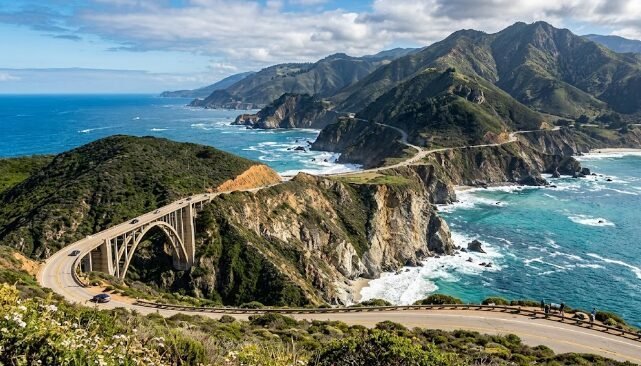
The dramatic cliffside stretch of Highway 1 through Big Sur consistently ranks among the most scenic drives in the country, connecting San Francisco to Los Angeles along California’s central coastline. Our Pacific Coast Highway guide covers this route in full detail, including 2026’s reopening after a multi-year landslide closure.
Los Angeles
LA offers an entirely different California experience than San Francisco — sprawling, car-dependent, and built around distinct pockets like Santa Monica’s beach culture, Hollywood’s entertainment industry landmarks, and the genuinely strong food and arts scenes spread across neighborhoods like Silver Lake and Highland Park.
San Diego
Consistently recommended for its beaches, mild year-round climate, and family-friendly attractions, San Diego offers a notably more relaxed pace than Los Angeles, with strong options ranging from Balboa Park’s museums to the city’s well-regarded zoo and nearby beach towns.
Best Places to Visit in California: Natural Wonders
Death Valley National Park
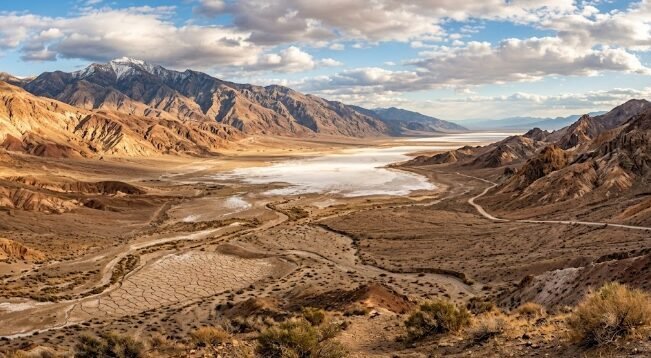
The hottest, driest, and lowest point in North America, Death Valley delivers genuinely otherworldly desert terrain, best visited in cooler months given summer temperatures that regularly exceed 120°F. Badwater Basin, the lowest point in the Western Hemisphere at 282 feet below sea level, ranks among the park’s most distinctive single stops.
Lake Tahoe
Straddling the California-Nevada border, Lake Tahoe offers a genuine four-season destination — skiing and snow activities in winter, hiking and water sports in summer. The 2026 winter season includes Tahoe’s annual winter wonderland celebration running late February through early May, with snow runs, polar dips, and various seasonal events worth checking the official Visit California events calendar for current dates if timing your trip around them.
Joshua Tree National Park
Where the Mojave and Colorado deserts meet, Joshua Tree’s distinctive twisted trees and massive rock formations create a landscape unlike anywhere else in California, popular for both day hiking and a genuinely strong stargazing reputation given minimal light pollution in the surrounding area.
Sequoia and Kings Canyon National Parks
Home to the General Sherman Tree, the largest tree on Earth by volume, these adjoining parks offer giant sequoia groves and dramatic canyon scenery with noticeably fewer crowds than Yosemite, despite sitting in the same general Sierra Nevada region.
Redwood National and State Parks
In far Northern California near the Oregon border, the redwood forests here include some of the tallest trees on the planet, offering a genuinely different, cooler, foggier California experience than the state’s more commonly visited destinations further south.
Best Places to Visit in California: Hidden Gems
Alabama Hills, near the town of Lone Pine on the eastern side of the Sierra Nevada, offers dramatic rock formations that have served as the backdrop for countless Western films, with relatively light crowds compared to the more famous parks nearby.
Morro Bay, along the Central Coast, centers on the distinctive Morro Rock volcanic plug and offers a quieter alternative to busier coastal towns further north and south.
Mendocino, in Northern California, delivers a genuinely different coastal experience than the Big Sur stretch — foggier, more remote, and built around a small, walkable historic village rather than a continuous scenic highway.
San Clemente, in Orange County, offers a laid-back beach town atmosphere with a walkable downtown, frequently recommended by travelers specifically seeking a relaxed alternative to busier Southern California beach destinations like Huntington Beach.
Best Time to Visit California
Given California’s regional climate diversity, “best time to visit” depends heavily on which part of the state you’re targeting.
Spring (April-June) offers strong conditions across most of the state — wildflowers blooming in desert areas like Joshua Tree, comfortable temperatures for coastal exploration, and Yosemite’s waterfalls running at peak flow from snowmelt.
Summer (July-August) brings peak crowds statewide and genuinely extreme heat in desert and Central Valley regions, though coastal areas like San Francisco and the Central Coast often stay surprisingly cool, sometimes even foggy, during this period — a counterintuitive but well-known California pattern worth planning around if you’re choosing between coastal and inland destinations for a summer trip.
Fall (September-October) matches spring as a strong window, with summer crowds thinning and comfortable temperatures returning to desert regions as extreme heat eases.
Winter (November-March) brings California’s rainy season to most of the state, snow to higher elevations including Lake Tahoe and Yosemite’s high country, and the mildest temperatures of the year to Southern California’s coastal cities, making this a strong window specifically for San Diego or Los Angeles beach-town visits.
Sample Itineraries
Classic Coastal Loop (7 Days): Los Angeles to San Francisco
Start in Los Angeles, drive the Pacific Coast Highway through Big Sur (see our full PCH guide for detailed routing), stopping in Santa Barbara, San Luis Obispo, and Monterey along the way, finishing in San Francisco.
National Parks Focus (7 Days): Yosemite, Sequoia, and Kings Canyon
A Sierra Nevada-focused trip combining Yosemite’s granite peaks with the giant sequoia groves of Sequoia and Kings Canyon, offering genuinely different scenery within a relatively compact driving radius compared to a full-state loop.
Southern California Desert and Beach Combo (5-7 Days)
Combine Joshua Tree’s desert landscapes with San Diego’s beaches and Los Angeles’s urban attractions, a strong option for travelers wanting variety without the longer drives required by a full Northern-to-Southern California loop.
Getting Around California
California’s major international airports — Los Angeles International (LAX), San Francisco International (SFO), and San Diego International (SAN) — serve as the primary gateways for most visitors, with car rental remaining the most practical way to actually explore beyond a single city given the state’s size and the limitations of public transit outside major metro areas.
Driving is genuinely the recommended approach for most California trips, particularly anything involving the coastal highway or national parks, where public transit options are limited or nonexistent.
Public transit works reasonably well within San Francisco and, to a lesser extent, Los Angeles, but isn’t a practical way to connect different regions of the state for most travelers.
Common Mistakes to Avoid When Visiting California
Trying to see the entire state in one trip without enough time. California’s size means a rushed, full-state itinerary often produces less satisfying results than focusing deeply on one or two regions.
Underestimating drive times between regions. Distances that look manageable on a map — Los Angeles to Yosemite, for instance — often take considerably longer than expected given mountain roads and traffic through major metro areas.
Packing for the wrong climate. Given how dramatically California’s regional climates differ, packing based on a single “California weather” assumption rather than your specific destinations’ actual conditions is a common and avoidable mistake.
Not booking Yosemite or other popular national park lodging far enough in advance. As covered in our dedicated Yosemite guide, this remains true even amid 2026’s access policy changes — popularity hasn’t decreased even where reservation requirements have.
Food and Wine in California

California’s food scene reflects its agricultural abundance and genuine diversity of culinary influences, from Mexican-influenced Southern California cuisine to San Francisco’s strong farm-to-table restaurant culture.
Napa Valley and Sonoma anchor California’s wine country reputation, offering tasting rooms across a wide range of price points and varietals, generally requiring at least a full day to properly explore given the driving distances between wineries and the unhurried pace most tasting experiences call for.
Los Angeles’s food scene spans everything from high-end celebrity chef restaurants to some of the best taco trucks and Korean barbecue outside their countries of origin, reflecting the city’s genuine cultural diversity more than any single “California cuisine” stereotype.
San Francisco’s Mission District offers a concentrated, walkable strip of strong dining options, particularly known for its Mexican food and a wave of innovative newer restaurants that have made the neighborhood a genuine food destination in its own right.
Central Coast wine regions, particularly around Paso Robles, offer a notably less crowded, more laid-back tasting experience than Napa, worth considering for travelers who want California wine country without Napa’s premium pricing and crowds.
What to Pack for a California Trip
Layers, regardless of season or region. California’s coastal fog, inland heat, and mountain elevation changes mean a single day’s trip can span dramatically different temperatures, making layering essential rather than optional.
Sun protection for desert and high-elevation destinations. Places like Death Valley, Joshua Tree, and Yosemite’s higher trails see significant sun exposure, often more intense than visitors from other climates expect.
A reliable phone charger and offline maps. Cell service drops out across significant stretches of California’s more remote national parks and desert regions, making offline navigation a genuine necessity for road trip sections of any itinerary.
Comfortable walking shoes. Whether you’re exploring San Francisco’s hills, Yosemite’s trails, or a full day of wine tasting that somehow still involves a lot of standing and walking, California rewards visitors who packed practically over those who prioritized style alone.
Budgeting for a California Trip
Lodging varies enormously by region and season, with coastal cities and national park gateway towns commanding the highest rates, while inland and less-touristed areas offer meaningfully better value for budget-conscious travelers.
Rental cars are close to essential for most California itineraries beyond a single city, and rates fluctuate considerably based on season and specific pickup location — booking well in advance for peak summer travel generally secures better rates than last-minute booking.
National park entrance fees, generally $35 per vehicle for a seven-day pass at major parks like Yosemite, add up if visiting multiple parks — the $80 America the Beautiful Annual Pass becomes worthwhile once you’re visiting three or more fee-charging parks within twelve months.
A realistic budget for a 10-day California road trip for two people, covering a mix of regions, moderate lodging, and dining, typically lands in the $3,000-4,500 range, not including flights into the state.
California for Family Travel
California ranks among the strongest U.S. states for family trips, given its mix of world-class theme parks, accessible national parks, and beach destinations suited to a wide range of ages.
Theme parks, including Disneyland in Anaheim and Universal Studios Hollywood, anchor many family itineraries, typically requiring advance ticket booking and at least a full day per park to experience properly without excessive rushing.
San Diego’s family-friendly reputation extends well beyond its beaches — the San Diego Zoo and SeaWorld both rank among the most-visited family attractions in the state, alongside Balboa Park’s museums and gardens.
National parks with strong family accessibility include Yosemite’s valley floor trails and Joshua Tree’s shorter desert walks, both offering meaningful natural experiences without requiring the more strenuous hiking found elsewhere in California’s parks.
A practical family travel tip: California’s driving distances between major regions are genuinely long enough that families should budget realistic car time into any multi-region itinerary, rather than assuming destinations that look close on a map translate to short drives — mountain roads and Los Angeles traffic in particular routinely extend trip times beyond initial estimates.
California’s Official Travel Resources
For current conditions, event calendars, and official trip planning beyond this guide, a few authoritative sources are worth bookmarking. Visit California, the state’s official tourism site, maintains current event listings and regional guides. For national park-specific conditions, the National Park Service’s California parks page lists current alerts across all the state’s federal park units. And for road conditions, particularly relevant given how much of a California trip typically involves driving, Caltrans QuickMap provides real-time highway status statewide.
Frequently Asked Questions
How many days do you need to see California? A focused, single-region trip works well in 5-7 days, while a broader Northern-to-Southern California exploration genuinely benefits from 10-14 days or more given the state’s size and driving distances involved.
What’s the best California road trip for first-time visitors? The classic Los Angeles to San Francisco coastal route via the Pacific Coast Highway, covered in detail in our dedicated PCH guide, remains the most popular and arguably best-suited first-timer route, combining cities, coastline, and small towns within a manageable driving distance.
Is California expensive to visit? Generally yes, particularly for lodging in major cities and national park gateway towns, though costs vary considerably by region — rural and inland areas typically offer meaningfully better value than coastal cities and resort towns.
Should I visit Northern or Southern California first? Neither is objectively better — Northern California suits travelers prioritizing San Francisco, wine country, and redwood forests, while Southern California suits those prioritizing beaches, desert parks, and Los Angeles’s entertainment and food scene. Many repeat visitors eventually do both across separate trips rather than trying to combine them in one.
What’s the best month to see Yosemite’s waterfalls at peak flow? Late April through May typically offers the strongest waterfall flow, fed by spring snowmelt, before flow tapers significantly by late summer — covered in more detail in our Yosemite National Park guide.
Final Thoughts
California rewards exactly the kind of flexible, curious exploration its sheer diversity demands. The state’s best moments often happen away from the most famous checklist items — an unmarked coastal viewpoint, a conversation with a local about a hidden beach, a scenic backroad taken instead of the direct highway route.
Whether you’re chasing Yosemite’s granite peaks, Big Sur’s dramatic coastline, or San Diego’s beaches, the most successful California trips tend to share one trait: enough focus to avoid the overwhelm of trying to see everything, and enough flexibility to follow whatever genuinely interesting detour presents itself along the way.