

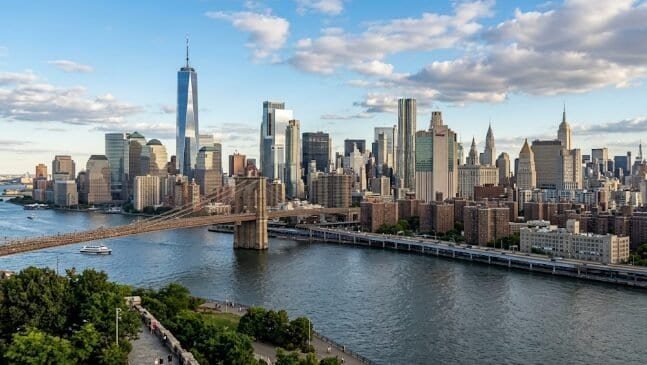
New York City in 2026 has an energy even by its own famously frantic standards. The FIFA World Cup Final lands at MetLife Stadium in July, the Frick Collection has reopened after a multi-year restoration, and the city’s endless churn of new museums, exhibits, and neighborhood discoveries continues at its usual breakneck pace. If you’re planning a New York City trip this year, there’s genuinely more reason than usual to time it carefully.
This guide covers New York City as it stands in 2026 — what’s new, how long you actually need, and how to build an itinerary that doesn’t just default to the same five photos everyone else takes. If you’re treating this as part of a broader U.S. trip, our Las Vegas guide covers another major city worth comparing notes with, and for a different pace entirely, our Yellowstone National Park guide and Yosemite National Park guide cover two of the best nature-focused counterpoints to a New York City trip.
Table of Contents
What’s New in New York City for 2026
The FIFA World Cup brings eight matches, including the Final on July 19, 2026, to MetLife Stadium in nearby New Jersey — the first time the tournament’s championship match has been held in the New York metropolitan region. Even without match tickets, expect the city to be genuinely buzzing throughout June and July, with fan zones, viewing parties, and an international atmosphere that’s a real draw on its own. The official FIFA World Cup 2026 site has match schedules and host city details if you’re planning around specific games.
The Frick Collection completed a multi-year restoration in 2025, reopening with significantly improved accessibility and, for the first time, public access to the mansion’s second floor. Housed in a Gilded Age Fifth Avenue mansion, it remains one of the most distinctive museum settings in New York City, and the renovation makes a return visit genuinely worthwhile even for travelers who’d seen it before.
NYC Must-See Week, the city’s signature winter promotion offering 2-for-1 admission across museums and attractions citywide, ran January 20 through February 12, 2026 — worth noting for trip timing if you’re planning a future winter visit, since it typically returns annually.
The Vessel at Hudson Yards, the climbable bronze sculpture that briefly closed following safety concerns, has reopened with new wire netting along stairs and platforms, addressing the issues that led to its closure. It remains a relatively quick add-on (about 30 minutes) to a Hudson Yards visit.
Getting to New York City and Getting Around
Three major airports serve New York City: JFK (generally the most flights, particularly international), Newark Liberty (often competitive pricing, located in New Jersey but well-connected), and LaGuardia (closest to Manhattan, primarily domestic routes). The Port Authority’s official airport guide has current transit connections and ground transportation options for all three.
The subway remains the most efficient way to move around New York City for most visitors, with a MetroCard or contactless OMNY payment covering unlimited rides within a set time window if you’re using a weekly pass, which usually makes more sense than per-ride fares for a multi-day trip.
Walking covers an enormous amount of ground in Manhattan specifically, where many of the city’s top attractions sit within a reasonably compact area, though New York City’s full geographic scope across five boroughs means a car or extensive transit use becomes necessary for anything beyond central Manhattan.
Citi Bike, the city’s bike-share system, offers a genuinely practical alternative for covering moderate distances, particularly through Central Park and along the Hudson River waterfront paths, without the unpredictability of subway delays or surface traffic.
Where to Stay in New York City
Midtown Manhattan puts you within walking distance of Times Square, Rockefeller Center, and many Broadway theaters, at the cost of being the most tourist-dense, highest-rate area of the city.
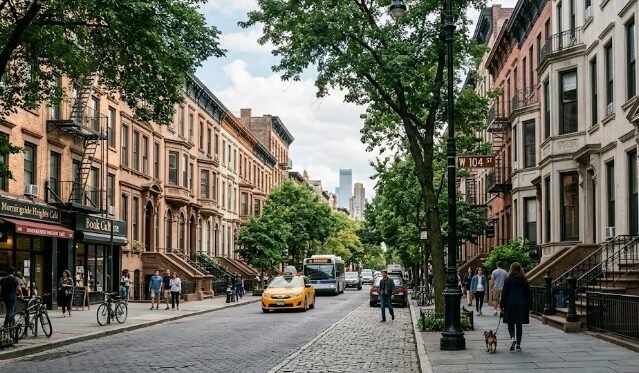
The Upper West Side offers a quieter, more residential New York City experience while remaining walkable to Central Park, Lincoln Center, and the American Museum of Natural History — a strong choice for travelers wanting a more authentic neighborhood feel without sacrificing convenience.
Lower Manhattan and the Financial District put you close to the 9/11 Memorial, the Statue of Liberty ferry departure point, and a genuinely different, more historic architectural character than Midtown’s skyscraper density.
Brooklyn, particularly neighborhoods like Williamsburg and DUMBO, has become an increasingly popular base for visitors wanting strong dining and a more local feel, generally at somewhat lower rates than comparable Manhattan options, with straightforward subway access back into Manhattan.
Top Things to Do in New York City
Iconic Landmarks
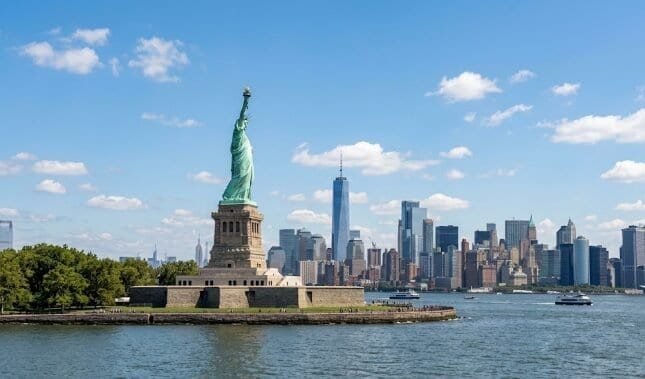
The Statue of Liberty and Ellis Island remain essential New York City stops, with the official Statue Cruises ferry the only authorized way to actually land on Liberty Island — book well in advance for crown access specifically, which sells out fastest.
The Empire State Building and Top of the Rock both offer observation deck views over the city, with Top of the Rock’s main advantage being that it includes the Empire State Building itself in your skyline photos, something the Empire State’s own deck obviously can’t offer.
The 9/11 Memorial and Museum provides a genuinely moving, well-curated experience documenting the September 11 attacks, with the two memorial reflecting pools sitting directly on the original World Trade Center footprints.
Central Park, an 843-acre landscape designed in 1858, remains the city’s defining green space, with enough variety — the Central Park Zoo, Bethesda Terrace, the Reservoir loop, Belvedere Castle — to fill multiple separate visits rather than a single rushed walkthrough.
Museums
The Metropolitan Museum of Art, New York City’s most-visited museum, spans roughly 2 million square feet and 5,000 years of art history — genuinely impossible to see in full during a single visit, so picking 2-3 specific wings or collections in advance makes for a far better experience than wandering without a plan.
The American Museum of Natural History combines genuine scientific significance with broad family appeal, including dinosaur halls and the newer Richard Gilder Center for Science, Education, and Innovation.
The Museum of Modern Art (MoMA) holds one of the world’s foremost modern and contemporary art collections, including Van Gogh’s “The Starry Night,” and works well as a half-day Midtown stop given its central location.
The Frick Collection, freshly reopened after its renovation covered above, offers an intimate, mansion-setting alternative to the larger institutional museums, with current exhibitions detailed on the official Frick Collection site.
Neighborhoods Worth Exploring
The High Line, an elevated former rail line converted into a public park, offers genuinely distinctive views of the Hudson River and city skyline along Manhattan’s West Side, connecting naturally to a Hudson Yards and Chelsea Market visit.
Greenwich Village, with its history connected to figures like Andy Warhol and Jack Kerouac, retains a genuinely different architectural and cultural character from Midtown’s high-rise density, rewarding slower, less itinerary-driven wandering.
Brooklyn Bridge and DUMBO, reachable via a roughly 35-minute walk across the bridge itself, deliver some of the best skyline and Statue of Liberty views in the entire city, with Brooklyn’s Williamsburg neighborhood a short additional trip beyond DUMBO for travelers wanting to extend the day.
Broadway and Live Entertainment
New York City’s Theater District, concentrated around Times Square, hosts more than 40 theaters showing everything from long-running classics to new productions. For day-of discounted tickets, the TKTS booth in Times Square offers up to 50% off select shows, while advance booking or entering specific show lotteries (Hamilton remains famously difficult to win) works better for the most in-demand productions.
Beyond traditional Broadway, Lincoln Center on the Upper West Side hosts the Metropolitan Opera, New York City Ballet, and New York Philharmonic, offering a different but equally significant slice of the city’s performing arts scene.
Food in New York City
New York City’s food scene reflects its identity as what one travel guide aptly called “the ultimate melting pot” — immigrant culinary traditions across every borough have shaped what’s now considered classic New York food, from Brooklyn delis to Midtown food carts.
New York-style pizza, with its large, foldable slices, remains a defining food experience, generally inexpensive and available virtually everywhere, though specific legendary spots draw genuine lines.
Chelsea Market, housed in a former Nabisco factory, offers one of the city’s best concentrated food hall experiences, combining numerous vendors under one roof for travelers wanting variety without committing to a single restaurant.
Food tours and neighborhood-specific eating crawls, particularly through areas like the Lower East Side or specific ethnic enclaves in Queens, offer a deeper dive into New York City’s culinary diversity than a Midtown-only itinerary typically allows.
Sample Itinerary: 5 Days in New York City
Day 1: Statue of Liberty and Ellis Island ferry in the morning, 9/11 Memorial and Museum in the afternoon, evening in Lower Manhattan.
Day 2: Central Park exploration, American Museum of Natural History, Upper West Side dinner.
Day 3: Metropolitan Museum of Art (a genuinely full half-day on its own), Top of the Rock at sunset, Times Square and a Broadway show in the evening.
Day 4: High Line walk, Hudson Yards and the Vessel, Chelsea Market lunch, MoMA in the afternoon.
Day 5: Brooklyn Bridge walk into DUMBO, Brooklyn neighborhood exploration, return to Manhattan for a final dinner.
For travelers with extra time, adding a day for the Frick Collection, Greenwich Village wandering, or a deeper Brooklyn exploration rounds out the trip without rushing the core itinerary above.
When to Visit New York City
Spring (April-June) brings Central Park’s cherry blossoms and comfortable 60-70°F temperatures, widely considered one of the two best windows for outdoor exploration including the High Line and Central Park specifically.
Summer (July-August) is peak tourist season, intensified in 2026 by World Cup-related crowds in June and July specifically. Heat and humidity can be significant, though indoor attractions like museums offer relief during the hottest parts of the day.
Fall (September-November) matches spring as the other strong seasonal window, with comfortable temperatures and the added bonus of fall foliage in Central Park, without summer’s peak crowd levels.
Winter (December-February) brings the city’s famous holiday displays — Rockefeller Center’s tree and ice rink chief among them — alongside the coldest temperatures of the year and the NYC Must-See Week promotion typically running in January and February.
Day Trips From New York City
Washington, D.C., roughly 3.5-4 hours by car or train, makes for an ambitious but doable day trip via guided bus tours or Amtrak’s Northeast Regional service, though most travelers find it works better as a separate overnight addition given the distance involved.
Niagara Falls, while technically within New York State, sits far enough from the city (roughly 6-7 hours by car) that it functions as a separate trip rather than a true day excursion — worth planning as its own multi-day stop if it’s on your broader itinerary rather than squeezing it into a New York City-based schedule.
The Hudson Valley, considerably closer at 1.5-2 hours north, offers a genuinely different pace — historic estates, fall foliage routes, and small river towns — and makes a far more realistic single-day or overnight escape from New York City’s density than the longer options above.
Hoboken and Jersey City, just across the Hudson River via PATH train, offer some of the best skyline photography angles of Manhattan itself, a worthwhile half-day add-on for photographers specifically.
Shopping in New York City
Fifth Avenue remains the city’s signature luxury shopping corridor, particularly the stretch through Midtown housing flagship stores for major global fashion brands, with the historic Saks Fifth Avenue flagship a notable architectural stop in its own right beyond the shopping itself.
SoHo combines high-end boutiques with a more design-forward, less corporate retail atmosphere than Fifth Avenue, set against the neighborhood’s distinctive cast-iron building architecture.
Chelsea Market, beyond its food hall reputation covered above, also houses a range of independent shops and makers, worth combining with a food visit rather than treating as a separate stop.
Brooklyn Flea and other borough markets offer a genuinely different, more local shopping experience for visitors willing to venture beyond Manhattan, particularly strong for vintage finds and independent makers not represented in mainstream Manhattan retail.
Photography Tips for New York City
The Top of the Rock observation deck consistently outperforms the Empire State Building’s own deck for skyline photography specifically because it includes the Empire State Building in your frame — a detail many first-time visitors don’t realize until they’re already at the wrong building.
DUMBO’s Washington Street offers one of the most photographed views in the city — the Manhattan Bridge framed between historic Brooklyn buildings — best shot in early morning before pedestrian and vehicle traffic builds up.
Golden hour from Brooklyn Bridge Park delivers strong, classic Manhattan skyline shots with the East River and Brooklyn Bridge itself in frame, a meaningfully different angle than the more common Top of the Rock or Empire State views.
The High Line’s elevated vantage point offers unique street-level-meets-skyline photography opportunities not replicated elsewhere in the city, particularly in the late afternoon when light angles favorably down the park’s linear path.
What a New York City Trip Costs
Lodging runs notably higher than most U.S. cities, with a realistic mid-range Manhattan hotel typically costing $250-450 per night depending on neighborhood and season, while Brooklyn or outer-borough options can meaningfully reduce this cost with only a short subway ride added to your daily logistics.
Major attractions add up quickly if visited individually — consider a New York CityPASS or similar bundled ticket if you’re planning to hit several paid attractions like the Empire State Building, a major museum, and a boat tour, since these passes commonly save 30-40% compared to individual ticket purchases.
A realistic daily budget for a New York City trip, covering moderate dining, subway transit, and one or two paid attractions per day, typically runs $150-250 per person per day beyond lodging, with Broadway shows or special events adding meaningfully on top of that baseline.
A Bit of History
New York City’s modern shape traces back to Dutch colonial settlement in the 1620s as New Amsterdam, renamed New York after English forces took control in 1664. The city’s explosive growth through the 19th and early 20th centuries — driven by waves of immigration through Ellis Island, the construction of landmark infrastructure like the Brooklyn Bridge (completed 1883), and its emergence as a global financial and cultural center — established the foundation for the city’s current identity as what’s often called the most diverse and dynamic metropolis in the world.
Central Park itself, designed in 1858 by Frederick Law Olmsted and Calvert Vaux, represented a genuinely radical idea at the time: a massive, deliberately planned green space carved into the heart of a rapidly industrializing city, intended specifically to give all residents, regardless of wealth, access to nature within the urban core. More than 160 years later, it remains one of the most visited urban parks anywhere in the world, drawing roughly 42 million visitors annually.
This layered history is part of why New York City rewards visitors willing to look beyond the most famous landmarks — nearly every neighborhood carries its own distinct chapter of the city’s broader story, from the immigrant history embedded in the Lower East Side to the artistic legacy of Greenwich Village covered earlier in this guide.
Accessibility in New York City
Most major New York City attractions, including the Metropolitan Museum of Art, the 9/11 Memorial, and Central Park’s main pathways, offer strong wheelchair accessibility, though the subway system itself remains inconsistent — not every station has elevator access, making advance route planning genuinely important for visitors with mobility needs. The MTA’s accessible stations map lists which specific stations offer full elevator access, worth checking before finalizing your daily routes if this affects your trip planning.
Common Mistakes to Avoid in New York City
Trying to see all five boroughs in a short trip. Manhattan alone offers enough density of attractions to fill most standard trip lengths; spreading too thin across boroughs without enough time in each often produces a worse experience than focusing deeply on fewer areas.
Not booking Broadway shows or major attraction timed-entry tickets in advance. Popular shows and attractions like the Statue of Liberty crown access sell out meaningfully ahead of peak dates, particularly during 2026’s World Cup-adjacent summer months.
Underestimating walking distances and subway transfer times. New York City blocks look short on a map but add up quickly, and subway transfers between certain lines can take longer than expected — build real buffer time into any itinerary with multiple stops per day.
Visiting Times Square and assuming it represents the whole city. Times Square is worth seeing once, but treating it as representative of New York City’s character generally disappoints visitors compared to exploring neighborhoods like Greenwich Village, the Upper West Side, or Brooklyn.
Frequently Asked Questions
How many days do you need in New York City? Three days covers major essentials like the High Line, the 9/11 Memorial, and Central Park, but five days is widely considered the sweet spot for a more complete first visit without constant rushing, according to multiple current travel guides.
Is New York City expensive to visit? Yes, generally more expensive than most U.S. cities for lodging and dining specifically, though many of the city’s best experiences — Central Park, the High Line, Brooklyn Bridge walks, numerous free museum days — cost little to nothing.
What’s the best time to visit New York City in 2026 specifically? Outside of the World Cup period (June-July) if you’re not specifically attending matches or seeking that atmosphere, spring and fall remain the strongest weather windows. If the World Cup energy appeals to you, summer 2026 offers a genuinely unique citywide atmosphere not present in typical years.
Do I need a car in New York City? No — a car is a genuine liability in Manhattan specifically, given parking costs and traffic. The subway, walking, and occasional rideshare or taxi use cover the vast majority of visitor needs far more efficiently.
Can I see the Statue of Liberty without a ferry ticket? Yes, partially — Battery Park and the Staten Island Ferry (which is free) both offer water views of the statue without landing on Liberty Island, a reasonable budget alternative if a full ferry ticket and crown access aren’t in your plans.
How does a New York City trip compare to a national park or road trip vacation? They’re genuinely different categories of travel, and many visitors alternate between the two rather than choosing permanently. If you’re weighing options for a future trip, our Pacific Coast Highway guide covers the opposite end of the spectrum — open road, small towns, and natural scenery rather than dense urban exploration.
Final Thoughts
New York City in 2026 offers more reason than a typical year to actually plan around specific dates — the World Cup Final’s arrival at MetLife Stadium in July adds a genuinely unique citywide atmosphere, while the Frick Collection’s reopening gives returning visitors fresh reason to revisit a museum they may have already checked off.
Whatever pulls you to New York City this year, the core advice holds regardless of timing: pick a few neighborhoods to explore deeply rather than racing between every famous landmark, book your major attractions and shows in advance, and leave room in your itinerary for the unplanned moments — a perfect slice of pizza, an unexpectedly great street musician, a quiet bench in Central Park — that tend to define a New York City trip as much as any single famous landmark does. Few cities anywhere reward that kind of open-ended curiosity quite the way New York City does, year after year, regardless of what’s new since your last visit.